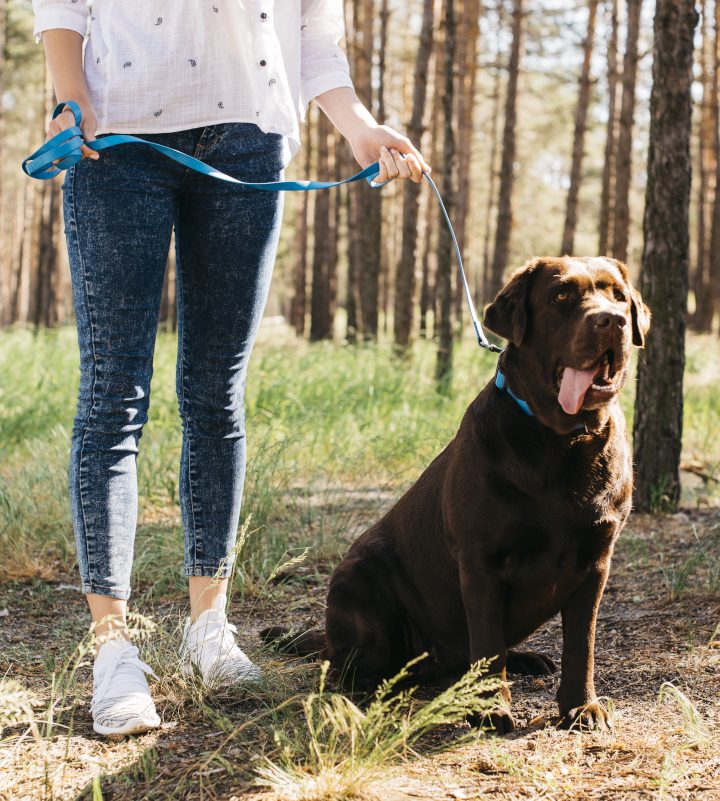
Life in a big city can be exciting, but for dogs it often comes with hidden challenges. Noise, traffic, crowds, unfamiliar dogs, and limited green spaces can easily overwhelm them. Many behavioral issues seen in city dogs are not personality flaws, but natural reactions to an intense environment. This is where working with a dog trainer in Budapest can make a real difference.
Why Urban Environments Create Behavioral Challenges
Cities like Budapest expose dogs to constant stimulation. Trams, cars, bicycles, construction noise, and crowded sidewalks can push a dog’s stress levels far beyond what they can comfortably process. Over time, this stress often shows up as behavioral problems.
Common urban-related issues include leash reactivity, fear of loud sounds, difficulty settling at home, excessive barking, or frustration when encountering other dogs. These behaviors are not signs of a “difficult” dog, but indicators that the dog is struggling to cope with its surroundings.
Misunderstood Behaviors in City Dogs
Many owners assume their dog is being stubborn or disobedient when it refuses to focus outdoors or reacts strongly to stimuli. In reality, the dog’s nervous system may simply be overloaded. Expecting perfect behavior without addressing stress levels often leads to frustration on both sides.
A dog trainer in Budapest understands that city dogs need a different approach than dogs living in quiet suburban or rural areas. Training must take real-life situations into account, not just ideal conditions.
How a Dog Trainer in Budapest Works Differently
Urban-focused training is practical and environment-based. Instead of practicing only in calm, controlled spaces, a professional trainer works where the problems actually occur: busy streets, parks, stairwells, elevators, and apartment buildings.
The trainer observes how the dog responds to everyday triggers and helps the owner adjust routines, walking strategies, and expectations. Sometimes small changes—such as timing walks differently, reducing unnecessary exposure, or improving mental enrichment—can significantly reduce stress-related behaviors.
Building Emotional Stability, Not Just Obedience
Modern behavioral work goes beyond teaching commands. While cues like “sit” or “heel” have their place, they do not solve emotional overload. The focus is on helping the dog feel safe, predictable, and understood in an unpredictable environment.
Training may include relaxation exercises, controlled exposure to stimuli, and teaching the dog how to disengage and recover from stress. These skills are essential for city living and directly improve the dog’s quality of life.
Why Early Support Makes City Life Easier
Behavioral problems rarely disappear on their own, especially in a demanding environment like Budapest. The longer a dog practices stress-driven behaviors, the more ingrained they become. Early guidance from a dog trainer can prevent frustration, strengthen the owner-dog bond, and make daily routines more enjoyable.
A calmer dog does not come from stricter control, but from better understanding. With the right support, city dogs can learn to navigate urban life with confidence and balance.